
Pokémon Crystal
Enhanced edition of Gold and Silver with new features.
Pokémon Crystal Version is a role-playing video game developed by Game Freak and published by Nintendo for the Game Boy Color. Released in Japan in December 2000 and internationally throughout 2001, it is an enhanced edition of Pokémon Gold and Silver and the final entry in the second generation of the Pokémon game series. It introduced features such as animated Pokémon sprites, a female protagonist, and a Battle Tower, and was the first main series Pokémon game incompatible with the original Game Boy.
- Developer
- Game Freak
- Publisher
- Nintendo
- Platform
- Game Boy Color
- Release Date (Japan)
- December 2000
- Release Date (International)
- 2001
- Sales
- 6.3 million units
- Lead Director
- Junichi Masuda
Lore & Background
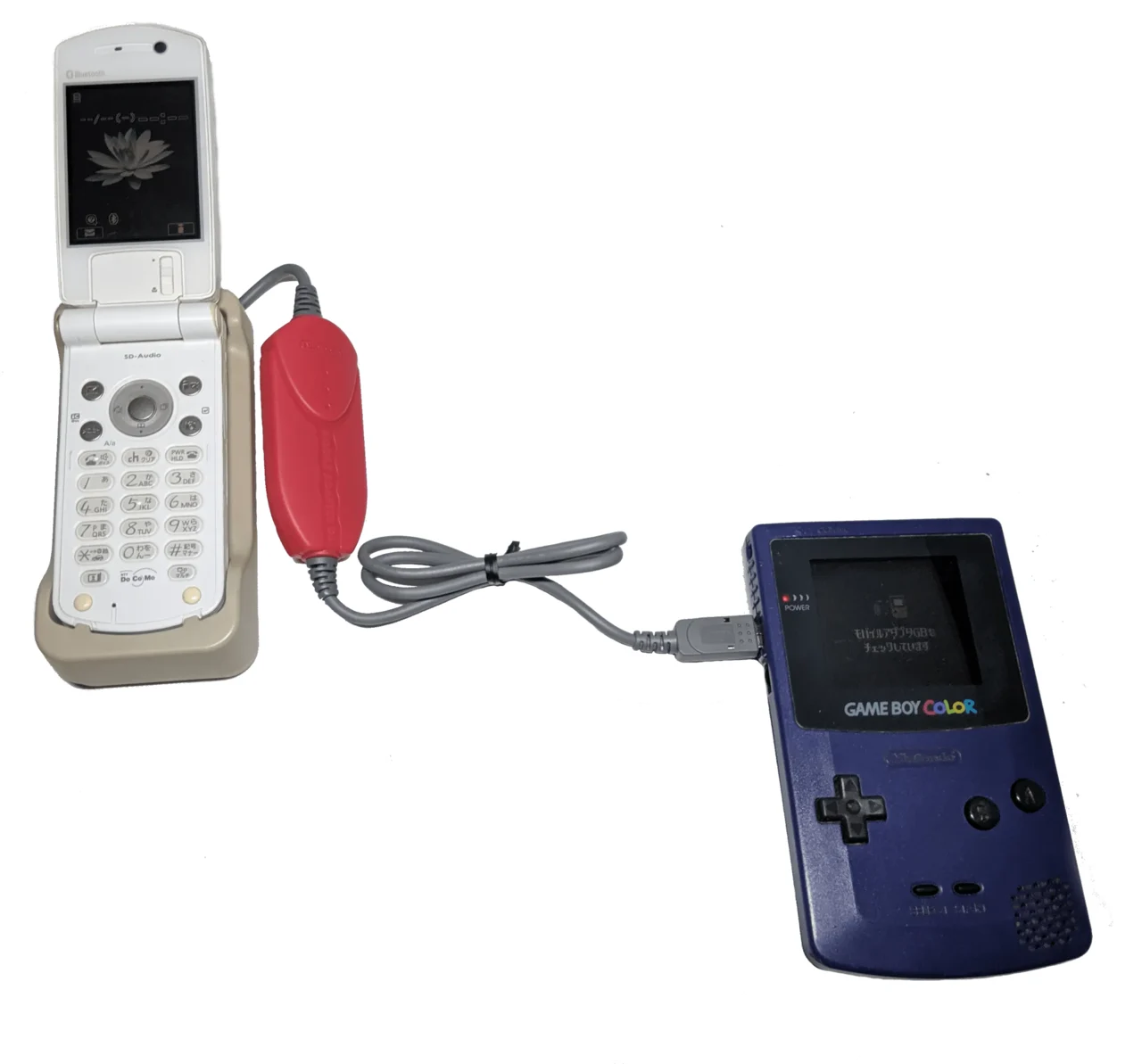
Pokémon Crystal was developed by Game Freak in 1999 following the release of Gold and Silver, under the working title Pokémon X. It was the first Pokémon game to feature Junichi Masuda as lead director. The game was primarily developed to support Nintendo's launch of the Mobile System GB service in Japan, which used the Mobile Adapter GB peripheral for online interactions. The Japanese version allowed players to battle, trade, and download content via mobile phone, including a special item to catch the rare Pokémon Celebi. The service was not released internationally and was discontinued in December 2002.
Reader's Guide
Pokémon Crystal holds significance as the final second-generation Pokémon game and the first to include a female player character, animated sprites, and a Battle Tower—features that became standard in later series entries. Despite being the lowest-selling main series Pokémon game, it sold 6.3 million units and ranks among the top ten best-selling Game Boy titles. Critics praised its additions but noted that many were less impactful outside Japan due to the absence of Mobile Adapter GB support. Retrospective reviews have been highly positive, acknowledging Crystal's role in maintaining interest during a waning period for the franchise and its introduction of features that would become commonplace. The game's Japanese-exclusive online service, though commercially unsuccessful, foreshadowed later online Pokémon experiences.
Did You Know?
- Pokémon Crystal was the first main series Pokémon game incompatible with the original Game Boy.
- The Japanese version supported the Mobile Adapter GB, allowing online trading and battling via cell phone.
- A special item distributed via Mobile System GB allowed players to catch the rare Pokémon Celebi.
- The game sold 6.3 million units, making it the lowest-selling main series Pokémon game but still among the top ten best-selling Game Boy titles.
The Mobile-First Ambition Behind Crystal's Creation
Crystal was born out of a specific commercial vision rather than a simple desire to refresh the second-generation formula. Game Freak began work in 1999, shortly after Gold and Silver shipped, and the project carried the working title Pokémon X. Junichi Masuda stepped into his first lead director role, having previously served as a composer and sub-director on the earlier pair. Artist Ken Sugimori later clarified that the game's primary purpose was to anchor Nintendo's new Mobile System GB online service, a paid platform that let players trade, battle, and download content through cell phones. Masuda explained the "Crystal" name was meant to evoke the crystals used in electronic transmissions. Nintendo president Hiroshi Yamauchi framed the pairing as a natural fit, arguing that Pokémon's core loop of collecting and exchanging creatures would teach players how mobile-phone gaming worked. The title debuted at Space World in August 2000, launched in Japan on December 14 of that year, and rolled out across North America, Australia, and Europe during 2001, often bundled with lime-green Game Boy Color hardware.
A Layer of Polish and New Mechanics
Crystal kept the familiar loop of exploring Johto, catching creatures, and climbing the gym ladder, but it wrapped that loop in a noticeably more responsive presentation. For the first time in the series, Pokémon sprites animated the moment they appeared in a wild or trainer battle, replacing the static images that had defined earlier entries. Entering a new town or route now triggered a brief signpost on screen, giving players a moment of orientation before the overworld resumed. The roster of selectable protagonists expanded to include Kris, a female trainer with her own distinct sprite, a first for the mainline games. The most structurally new addition was the Battle Tower, a dedicated stadium where players faced a gauntlet of seven opponents, each fielding three Pokémon whose levels could be set to a player-chosen maximum, with prizes awarded for clearing the full run. All of these refinements leaned on the Game Boy Color's extra processing headroom, making Crystal the first mainline title that could not run on the original monochrome Game Boy.
Legendaries at the Heart of the Story
While Crystal's backbone plot mirrors Gold and Silver—defeating the eight Johto Gym Leaders and the Elite Four to claim the regional championship—the game restructures how its most mythical creatures enter the narrative. The three Legendary beasts Suicune, Entei, and Raikou are no longer hidden secrets; the player actively awakens them and encounters them at multiple points throughout the adventure. A new recurring character, Eusine, threads through the story as a researcher obsessed with tracking Suicune, and his appearances create a clear, guided path toward battling and ultimately capturing that Pokémon and its two companions. The Ruins of Alph also received expanded content: players can now solve additional puzzles involving the mysterious Unown, earning rewards and cryptic messages in return. Even the encounter with Gym Leader Clair was tweaked slightly. These changes collectively shifted the tone from "find the hidden legend" to "the legend is part of the journey," a narrative approach that would echo in later generations.
A Niche Champion and a Cautionary Tale
Despite its polished feature set, Crystal holds the distinction of being the lowest-selling mainline Pokémon game ever released, a fact that underscores how tightly its identity was bound to a platform that never took off. It still manages to crack the top ten best-selling Game Boy titles of all time, a testament to how enormous the franchise's audience was even at its relative low point. The Mobile Adapter GB, the peripheral enabling online battling, trading, quizzes, and a special Celebi distribution, sold only 80,000 units in its first year. Nintendo never brought the accessory outside Japan, and the Mobile System GB service was shut down on December 18, 2002, less than two years after its delayed January 2001 launch. Critics praised the improvements but noted Western players missed the mobile features entirely. Yet retrospective assessments have grown increasingly warm, recognizing that Crystal's animated sprites, female protagonist, and Battle Tower became standard fixtures in later generations, seeding the design language that would define Pokémon for years to come.
Gallery

Frequently Asked Questions
What is Pokémon Crystal?
Pokémon Crystal is a role-playing game built by Game Freak and released by Nintendo for the Game Boy Color. It functions as an expanded re-release of Gold and Silver and closes out the second generation of the main-line Pokémon series.
What new features does Crystal add over Gold and Silver?
Crystal brings fully animated Pokémon sprites to the screen, lets players pick a female trainer as the protagonist, and introduces the Battle Tower for back-to-back challenges. It also adds a new Eevee evolution and a few quality-of-life tweaks to the base Gold/Silver experience.
Can I play Pokémon Crystal on a standard Game Boy?
No. Crystal is the first main-series Pokémon title that is incompatible with the original Game Boy and requires Game Boy Color hardware to run.
When was Pokémon Crystal released?
The game hit Japanese shelves in December 2000, and international regions received it at various points throughout 2001.
How many copies of Pokémon Crystal sold?
The title moved approximately 6.3 million units worldwide.
More in Pokémon video games 1-24
Spotted an error? Know more?
This is a living reference — every entry is fact-audited, and reader corrections feed straight into our audit queue. Suggest an edit · See this site's audit record